
Temps de lecture : 15 min
Table of Contents
- Points clés à retenir
- Can You Get a Startup Business Loan with No Revenue? (Spoiler: Yes)
- The Role of Personal Credit
- Why Revenue Isn’t Everything
- SBA Microloans: The Best Option for Pre-Revenue Startups
- Eligibility and Application Process
- Pros and Cons of SBA Microloans
- Equipment Financing: Get Capital Without Revenue (If You Need Gear)
- How Equipment Financing Works
- Best Industries for Equipment Loans
- Business Lines of Credit and Credit Cards for No-Revenue Startups
- Unsecured vs Secured Lines
- Tips to Increase Approval Odds
- Personal Loans and Credit Unions: Using Your Own Credit
- When Personal Loans Make Sense
- Risks to Consider
- Grants, Crowdfunding, and Alternative Funding for Zero-Revenue Startups
- Finding the Right Grant for You
- Crowdfunding as Marketing + Funding
- How to Strengthen Your Application When You Have No Revenue
- Crafting Compelling Financial Projections
- Improving Your Personal Credit Score
- Real Success Stories: Startups That Got Funded with Zero Revenue
- Questions fréquentes
- Conclusion: Your First Round of Funding Is Closer Than You Think
Points clés à retenir
- SBA microloans are the most accessible government-backed option for startups with no revenue, with 24% of all SBA microloans going to businesses under two years old.
- Personal credit score and a solid business plan are your strongest assets when revenue is absent – aim for 680+ for better terms.
- Alternative funding like equipment financing, business lines of credit, and grants can work without revenue, but may require collateral or a co-signer.
- Preparation is everything – detailed financial projections, a clear use of funds, and a strong narrative can convince lenders to bet on your potential.
Did you know that nearly a quarter of all SBA microloans go to startups with no revenue? That’s right – lenders are willing to bet on your potential, not just your bank statements. The problem? Most aspiring entrepreneurs believe they need a proven revenue stream to qualify for business financing, leaving them stuck before they even start. In reality, there are multiple funding paths designed for pre-revenue funding. Here’s what actually works in production, not just in demos.
Can You Get a Startup Business Loan with No Revenue? (Spoiler: Yes)
Yes, it is possible to get a startup business loan with no revenue. Lenders focus on personal credit score, business plan, and collateral instead of revenue. Options include SBA microloans (average $16,000), equipment financing, business lines of credit, and personal loans from credit unions. However, interest rates may be higher and loan amounts limited. The idea that you need revenue is the single biggest myth in startup funding. Most people get this wrong.
The Role of Personal Credit
When you have no revenue, your personal credit score becomes the primary filter. Lenders see it as a proxy for your financial responsibility. The minimum credit score for a startup loan with no revenue varies: for SBA microloans, 640+ is often acceptable; for alternative lenders, scores as low as 580 may work but with brutal rates. Aim for 680+ for better terms. This isn’t theory – I’ve seen founders with 720 credit scores walk into a credit union and walk out with $25,000 unsecured, no revenue required.
Why Revenue Isn’t Everything
Lenders evaluate risk holistically. A strong business plan, market opportunity, your industry experience, and personal assets all matter. The featured snippet right here is the core truth. Here’s what actually happens in production: a founder with a detailed plan, a signed letter of intent from a client, and a solid personal guarantee can get funded before making a single sale. Revenue is just one variable – it’s not the whole equation.
Key Factors Lenders Consider Instead of Revenue
- Personal credit score (most important)
- Business plan quality and market research
- Personal assets and collateral
- Co-signer or personal guarantee
- Industry experience and background

Understanding these factors shifts your approach from begging for a loan to presenting a compelling case. Let’s look at the most accessible option first: SBA microloans.
SBA Microloans: The Best Option for Pre-Revenue Startups
According to Lendio research based on SBA data (2024), 24% of all SBA microloans go to businesses that have been operating for two years or less – that’s startups with little to no revenue. The average SBA microloan size is approximately $16,000, with a maximum of $50,000. Some SBA microloan intermediaries do not require positive business cash flow at all. That’s the real gap between what banks say and what actually happens in production.
Eligibility and Application Process
Eligibility is through intermediary lenders – typically nonprofit community organizations. They evaluate you holistically. You’ll need a personal credit score of 640+, a solid business plan, and a personal guarantee. The process takes 30 to 90 days, which is slower than fintech but the rates are far better (typically 7% to 9% APR). Use the SBA Lender Match tool to find intermediaries willing to consider no-revenue applications.
Pros and Cons of SBA Microloans
| Loan Type | Max Amount | Interest Rate Range | Revenue Required | Collateral |
|---|---|---|---|---|
| SBA Microloan | $50,000 | 7% – 9% | Not required | Often required |
| Equipment Financing | Up to 100% of equipment value | 8% – 15% | Not required | Equipment itself |
| Business Line of Credit (unsecured) | $10,000 – $50,000 | 12% – 25% | Often required | Sometimes required |
| Personal Loan (for business) | Varies by credit | 10% – 30% | Not required | Personal guarantee |
If you need equipment, the next option might be a better fit – and it doesn’t require revenue either.
Equipment Financing: Get Capital Without Revenue (If You Need Gear)
Equipment financing is one of the easiest loans for pre-revenue startups because the equipment itself serves as collateral. Lenders care about the asset’s value, not your cash flow. This is especially useful for manufacturing, construction, transport, and entertainment businesses. I’ve seen a food truck startup get $40,000 in equipment financing with zero revenue and a 680 credit score – the truck was the collateral.
How Equipment Financing Works
You select the equipment, get a quote, and the lender pays the vendor directly. You then make monthly payments. The equipment secures the loan, so approval depends on your credit score (typically 640+) and the equipment’s resale value. The downside: interest rates are higher than SBA loans (8% to 15%), and if you default, you lose the gear. But for startups that need physical assets, it’s a practical path.
Best Industries for Equipment Loans
- Construction and contracting
- Food trucks and mobile services
- Trucking and logistics
- Medical and dental practices
- Photography and film production
Checklist: Steps to Prepare for Equipment Financing Application
- Get quotes from at least three vendors for the equipment
- Check your personal credit score (target 680+)
- Determine your down payment (typically 10-20%)
- Prepare a one-page business case linking equipment to revenue generation
- Gather two years of personal tax returns and bank statements
If you don’t need equipment but need flexible working capital, consider a business line of credit or credit card.
Business Lines of Credit and Credit Cards for No-Revenue Startups
Business lines of credit are popular because you only pay interest on what you draw. For startups with no revenue, unsecured lines are possible – Swoop Funding (2025 data) notes that very young businesses or weak credit may require collateral. Fintech lenders like Kabbage or Fundbox are easier to qualify for than traditional banks, but the rates can exceed 20% APR. That’s not automation – that’s a liability if you don’t manage it.
Unsecured vs Secured Lines
Unsecured lines don’t require collateral but rely heavily on your personal credit score (680+) and time in business (often 6 months minimum). Secured lines backed by a savings account or equipment offer lower rates and easier approval, but tie up your assets. Most founders I’ve worked with start with a secured line from a credit union to build business credit, then graduate to unsecured.
Tips to Increase Approval Odds
- Open a business banking account and use it for all expenses
- Apply for a business credit card separately – even a $1,000 limit builds history
- Keep your personal credit utilization below 30%
- Consider a co-signer with good credit
Warning: Interest Rates on No-Revenue Credit Lines Often Exceed 20% APR – manage carefully. If you carry a balance, the interest can crush your margins.
For founders who can’t stomach high interest, the next option – personal loans from credit unions – might be a smarter play.
Personal Loans and Credit Unions: Using Your Own Credit
Here’s a strategy that actually works in production: a personal loan through a credit union used for business purposes. I’ve seen this succeed multiple times. Credit unions are member-owned and more flexible. They’ll look at your personal credit, debt-to-income ratio, and relationship with the institution. A Reddit founder shared how they secured funding four months in with a van and clients – they used a personal loan to buy the van, then paid it down quickly with revenue.
When Personal Loans Make Sense
Personal loans are ideal when you need a small amount (under $15,000) and have good credit (680+). They’re unsecured, fast, and can fund in as little as 24 hours. The interest rates are typically 10% to 18% for good credit, lower than most business credit lines. Use them for startup costs: equipment, inventory, marketing, or to bridge a short gap before revenue starts.
Risks to Consider
The biggest risk is mixing personal and business finances. It can create tax and liability issues – if the business fails, the debt is still yours personally. Also, personal loans won’t build your business credit score. Use them strategically, not as a long-term crutch. Consult an accountant before mingling funds.
Warning: Mixing Personal and Business Finances Can Create Tax and Liability Issues – consult an accountant before using a personal loan for business.
If you want to avoid debt altogether, the next section covers grants and crowdfunding – genuine alternatives that don’t drain your cash flow.
Grants, Crowdfunding, and Alternative Funding for Zero-Revenue Startups
Not all funding comes as a loan. Grants and crowdfunding offer money without repayment, though they require time and effort. Local economic development organizations like Thurston EDC offer grants targeting women, BIPOC, and rural entrepreneurs. The Small Business Administration also lists grant programs. Crowdfunding doubles as marketing – platforms like Kickstarter or Indiegogo let you validate your idea before you even launch.
Finding the Right Grant for You
Grants are competitive and often focused on specific demographics or industries. Search for local economic development councils, state small business offices, and federal programs like SBIR/STTR for tech startups. The key is patience – grants can take months to process. But the upside is huge: free money that doesn’t dilute equity or require repayment. I’ve seen a construction startup get a $10,000 grant from a county redevelopment fund with zero revenue – they had a solid plan and a commitment to hire locally.
Crowdfunding as Marketing + Funding
Crowdfunding works best when you have a compelling story and a product that resonates. Pre-sell your first batch of products, offer tiered rewards, and use social media to drive traffic. The average successful Kickstarter campaign raises $24,000. But it’s a full-time job for the campaign period – you’ll need to engage backers, post updates, and fulfill rewards. Treat it as a marketing campaign, not just a funding mechanism.
Crowdfunding Success Checklist
- Set a realistic goal (don’t overestimate)
- Create a compelling video (60-90 seconds, tell your story)
- Offer attractive and tiered rewards
- Promote via social media, email lists, and press outreach
- Plan to fulfill orders quickly to maintain trust
Whichever path you choose, the strength of your application determines everything. Let’s break down how to build a case that lenders can’t ignore.
How to Strengthen Your Application When You Have No Revenue
Without revenue, your application must compensate with clarity and credibility. Lendio’s three factors for no-revenue borrowers are: strong personal credit (680+), a solid business plan, and a personal guarantee. But there’s more. I’ve seen applications succeed because the founder had a signed letter of intent from a future customer, or a detailed financial projection that showed exactly when they’d break even.
Crafting Compelling Financial Projections
Financial projections are your revenue substitute. Lenders know they’re guesses, but they want to see you’ve thought about unit economics, market size, and cash flow. Common mistakes: overly optimistic growth rates (100% month over month is a red flag), ignoring operational costs, and not explaining assumptions. Be specific: “We expect to acquire 10 customers in month one via targeted Facebook ads at $5 CPA” is better than “we’ll get 50 customers.”
Here’s a template framework:
| Month | Revenue (conservative) | Revenue (optimistic) | Expenses | Net Cash Flow |
|---|---|---|---|---|
| 1 | $0 | $1,000 | $3,000 | -$3,000 |
| 2 | $500 | $2,000 | $3,200 | -$2,700 |
| 3 | $1,500 | $4,000 | $3,500 | -$2,000 |
| 6 | $5,000 | $10,000 | $4,000 | $1,000 |
| 12 | $12,000 | $25,000 | $5,000 | $7,000 |
Improving Your Personal Credit Score
Your personal credit score is your most important asset when you have no revenue. Before applying for any loan, pull your free credit report from AnnualCreditReport.com. Fix errors, pay down credit card balances to under 30% utilization, and avoid new hard inquiries for 6 months. A bump from 640 to 680 can mean the difference between a 15% APR and 8% APR. That’s real cost.
Pro Tip: Use the SBA Lender Match tool (lenderMatch.sba.gov) to find lenders willing to consider no-revenue applications. It’s free and takes 10 minutes.
Now let’s look at real founders who navigated this successfully – proof that it’s not just theory.
Real Success Stories: Startups That Got Funded with Zero Revenue
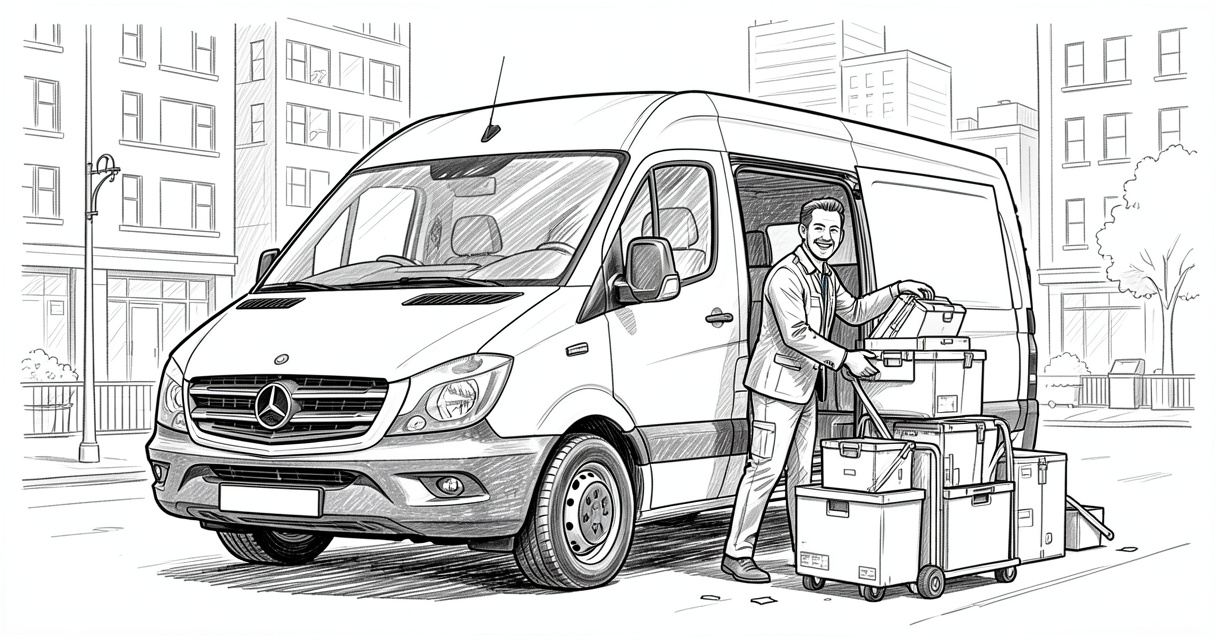
I recently spoke with a founder who started a local courier service. He had no revenue, a personal savings of $5,000, and bought a used van using a credit union personal loan at 10% APR. He then secured a contract with a local pharmacy chain. Three months later, he had revenue and cash flow. He returned to the same credit union and got a $25,000 equipment loan to buy a second van. The key insight: he transformed “no revenue” into “a functioning business with an asset.”
Another example: a SaaS startup pre-revenue but with 50 beta users and a strong pitch deck. They used a business line of credit from a fintech lender (15% APR) to cover development costs for six months until they launched their paid tier. They paid it off within a year. The lesson: your traction – even non-revenue traction – counts. Lenders want to see that someone is using your product.
Here’s the Reddit story that inspired this article: “Four months in with a van, clients, and actual equipment is a stronger profile than zero revenue implies.” That founder got funded because he had a clear story, a personal guarantee, and he had already de-risked the business by securing customers before asking for a loan. Most people get this wrong – they wait for revenue to appear. Instead, build the foundations first, then go for the loan.
Questions fréquentes
Can I get a business loan with no revenue and bad credit?
Yes but very limited. Options may require collateral, a co-signer, or higher interest rates. Alternative lenders and credit unions are more flexible than banks. Strengthen your business plan and consider a secured loan.
How do I get a startup loan with no revenue and no collateral?
Focus on your personal credit score (above 680 increases chances). Consider unsecured business credit cards or a personal loan from a credit union. Crowdfunding and grants are also collateral-free alternatives.
Do I need a business plan to get a loan with no revenue?
Yes, a detailed business plan is critical when you lack revenue. Lenders will evaluate your projections, market analysis, and your ability to repay. Include a clear use of funds and realistic financial forecasts.
Are SBA loans available for startups with no revenue?
SBA microloans are the best bet – they don’t strictly require revenue and are designed for early-stage businesses. However, you’ll need a personal guarantee and often collateral. The average microloan is around $16,000.
Can I get a business loan with just an EIN and no revenue?
Some fintech lenders may approve an EIN-only application, but approval is not guaranteed. They will still evaluate your personal credit, guarantor support, or collateral. Most traditional banks require revenue proof.
What is the minimum credit score for a startup loan with no revenue?
It varies by lender. For SBA microloans, a personal credit score of 640+ is often acceptable. For alternative lenders, scores as low as 580 may work but with higher rates. Aim for 680+ for better terms.
How long does it take to get a startup loan with no revenue?
Timelines vary: SBA microloans can take 30-90 days due to intermediary lender processing. Online fintech lenders may approve in a few days. Prepare all documents (business plan, credit report, financial projections) to speed things up.
Conclusion: Your First Round of Funding Is Closer Than You Think
SBA microloans are the most accessible government-backed option for no-revenue startups. Your personal credit score and a solid business plan are your strongest assets when revenue is absent. Consider alternative funding like grants and crowdfunding to preserve equity and avoid debt. Prepare thoroughly – projections, collateral, or a co-signer can dramatically improve your chances. The real cost of waiting for revenue is lost time and missed opportunities.
So, is lack of revenue a dealbreaker? Only if you let it be. Start by strengthening your personal credit, refining your business plan, and exploring the options we’ve outlined – your first round of funding is closer than you think.